- 0449 255 652
- FREE SHIPPING FOR ALL ORDERS OF $150
- 9:00AM - 5:00PM
- CONTACT US
- FAQS

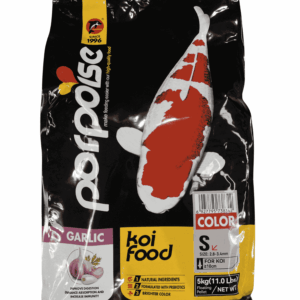
Colour Enhancing Koi Food Small – Porpoise
$105.00 Select options This product has multiple variants. The options may be chosen on the product page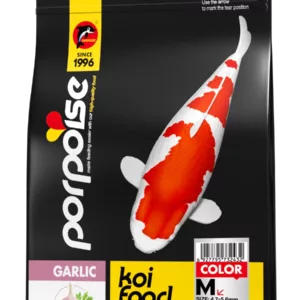
Colour Enhancing Koi Food Medium – Porpoise
Price range: $34.95 through $105.00 Select options This product has multiple variants. The options may be chosen on the product page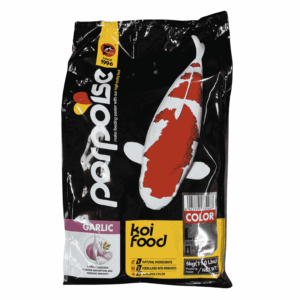
Colour Enhancing Koi Food Large – Porpoise
$105.00 Select options This product has multiple variants. The options may be chosen on the product page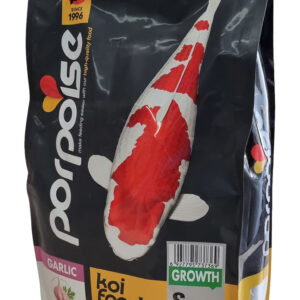
Growth Koi Food Small – Porpoise
Price range: $24.95 through $80.00 Select options This product has multiple variants. The options may be chosen on the product page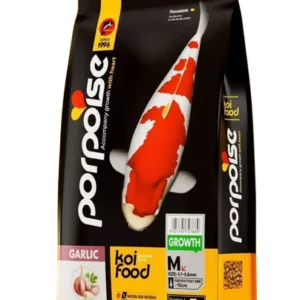
Growth Koi Food Medium – Porpoise
Price range: $24.95 through $80.00 Select options This product has multiple variants. The options may be chosen on the product page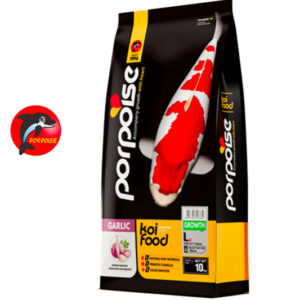
Growth Koi Food Large – Porpoise
$80.00 Select options This product has multiple variants. The options may be chosen on the product page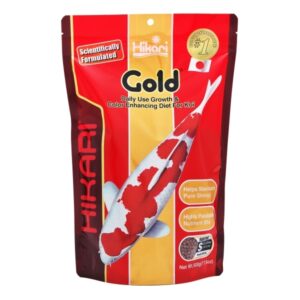
Hikari Gold Premium Koi Food (Small)
$39.95 Select options This product has multiple variants. The options may be chosen on the product pageOnly 1 left in stock (can be backordered)
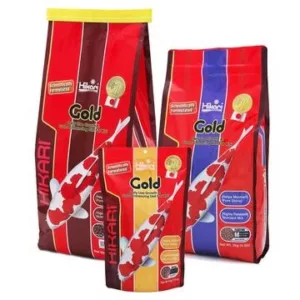
Hikari Gold Premium Koi Food (Medium)
Price range: $39.95 through $229.95 Select options This product has multiple variants. The options may be chosen on the product pageOnly 1 left in stock (can be backordered)
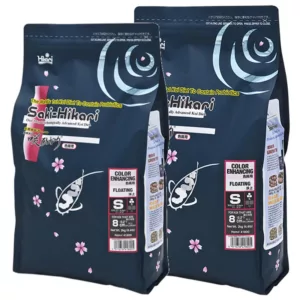
Saki-Hikari Colour Enhancing Koi Food
Price range: $114.95 through $239.00 Select options This product has multiple variants. The options may be chosen on the product pageOut of stock
Saki Hikari Deep Red (Medium)
$347.00 Select options This product has multiple variants. The options may be chosen on the product page

Koi Food for sale
You are what you eat, so getting the right koi food is extremely important in making sure your koi are happy and healthy! We understand that Koi are loved pets, which is why we stock only the highest-quality koi food.
All of our Koi food features optimal protein levels, fish oils and wheat germ to promote healthy tissue growth and easy digestion. Available in both sinking and floating pellets, our range offers variety across three quality tiers: good, better, and best, and includes essential supplements like spirulina for colour and probiotics for immunity.
Looking for the best way to feed your Koi? Look no further than The Fish Works, where Koi food is our bread and butter… or should we say, our pellets.
In terms of koi food, there are three primary things to consider:
- Frequency of feeding koi
- Type of koi pellets
- Sinking vs Floating koi pellets
While the specific choice often depends on the owner and their fish, there are a few key rules of thumb to follow.
How much should I feed my koi?
We often get asked this question and it’s a very important one! Koi will require differing amounts of food depending on the temperature of the water. The colder it gets, the less they will want to consume.
As a general rule of thumb, feed your koi what they will fully consume in 2 minutes. If they look like they want some more, give them a bit.
In the warmer months, the koi’s metabolism will be higher, so multiple feeds per day are recommended so that the fish are not hungry too long and they grow big and happy!
In winter, we still feed our koi, but only once per day and much smaller amounts. The 2 minute rule still applies!
I often find that when a customer comes in with an issue with their pond, whether algae, clarity, fish health, or constantly cleaning their filters, the first question I ask is, “How much do you feed your fish?”
Type of Food
We always recommend pellets to our customers (like our Porpoise koi food). In fact, we only stock quality koi pellets for koi because flakes disintegrate too quickly, adding unnecessary waste to your pond and filter.
The Essentials of Koi Nutrition
Koi are omnivores and require a balanced diet, but they specifically need high protein levels to sustain their size. All food at The Fish Works includes these vital components:
| 40% Protein | Ensures adequate muscle and tissue development. |
| Wheat Germ | Essential for digestive health. Koi do not have stomachs, only a long digestive tract, which means they break down food slowly. Wheat germ helps prevent issues stemming from slow digestion. |
| Spirulina | While it has recently become a health craze for humans, spirulina has been used in the aquarium industry for decades. It naturally maintains colour and pigmentation in Koi, much like how krill turns flamingos pink. |
| Unsaturated Fatty Acids (Omega-3) | The “superpowers” of fish health. They boost immunity and heart health by lowering blood pressure. This fat content should sit around 5% to 10% of the total nutritional profile to aid metabolic function and improve colour vibrancy. |
Sinking vs Floating Pellets
One of the most common questions we receive is, “What is the difference between sinking and floating pellets?” The answer is actually quite simple: protein density.
Generally, sinking pellets are higher in protein, but that shouldn’t be the only factor that determines what you choose for your Koi. We usually recommend floating koi food because they allow you to monitor food intake easily and prevents unwanted waste from accumulating at the bottom of the pond.
Why choose sinking pellets?
They are ideal for ponds equipped with skimmers or other features that suck water from the surface. In our own shop ponds, we use sinking food to ensure the pellets don’t get sucked into the filter before the fish have a chance to eat. Additionally, sinking food is excellent for the summer, as the higher protein content supports faster growth during the peak season.
⚠️ Winter Warning: Unless necessary, we do not recommend sinking food during the winter. As ectothermic (cold-blooded) animals without stomachs, Koi rely entirely on their intestines for digestion and nutrient absorption. When water temperatures drop, Koi have significantly less energy to process their food. Feeding a rich, high-protein sinking pellet in the cold can lead to digestive issues and excess waste, as the fish are unable to effectively utilise the nutrients.
So what’s best for your koi? That is up to you! Have a read through the various products we sell, knowing they meet all the minimum requirements. You will find staples and speciality foods. Some of our foods have additional properties which include higher fatty acids and protein for growth, others have higher concentrations of natural colour enhancers, and some have live probiotics for immunity and health.
Quick Cheat Sheet
| Best Staple Option PORPOISE |
Growth: Best for those with smaller koi wanting to get some size on them. Colour Enhancing: Best for those with fully grown koi or those not too worried about rapid growth. This one will bring out the colours in your koi to make them even more show-stopping. |
| Best High Protein Option ORCA SINKING |
Packed with protein for enhanced growth and weight gain. Only recommended in warmer months. |
| Best Premium Option SAKI HIKARI |
Comes in growth and colour-enhancing options — the only koi diet to include probiotics for gut health (it wasn’t an easy journey for them to get this diet through Aussie customs!). This is the improved line of the original Hikari GOLD, which is still available as a slightly cheaper premium feed. |
Still stuck? We’d love to help you find the right food for your koi.
Get in touch for free expert advice anytime.
