

No products in the cart.
Return To Shop- 0449 255 652
- FREE SHIPPING FOR ALL ORDERS OF $150
- 9:00AM - 5:00PM
- CONTACT US
- FAQS
Return to previous page
Phantom Glass Catfish
Phantom Glass Catfish (Kryptopterus bicirrhis)
TROPICAL COMMUNITY FISH
Other names: Glass catfish, Ghost catfish, Phantom Ghost catfish
Minimum volume requirement: 100L for a healthy school of at least 6
Size: up to 8cm
pH: 6.5 – 7
Temperature: 23°C – 27°C
Life span: 5-8 years
Description
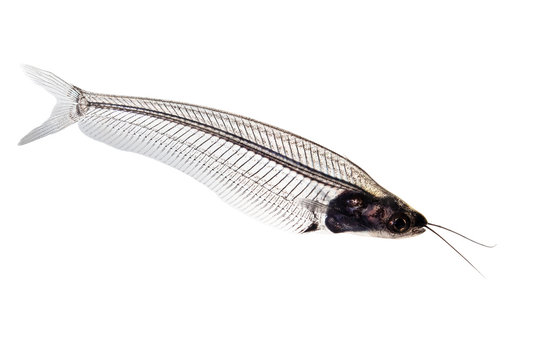
It is clear😉 to see that these transparent fish are a unique addition to your tank. Glass catfish have a thin, elongated body with a forked caudal fin (tail) and no dorsal fin (top) with visible bones and organs. Under a microscope you can see their heart beating!
Males are usually slimmer than females.
Interestingly, glass catfish are related to electric eels, and have been found to have electroreceptor organs and are responsive to electromagnetic stimuli, which is used for the sense of direction in migratory behaviours and finding food in murky water. They are also a common species used in fish sauce!!! (A fun fact for us… not them)
Distribution

Originating from South East Asia, Glass catfish have been found in major river systems from Thailand to Borneo, covering Laos, Cambodia, Java, Sumatra, Vietnam and the Malaysian Peninsula. Found in turbid waters, large river systems and their lowland streams, which are thick with vegetation, including decaying material and large roots.

Breeding
Not much is known about the breeding of glass catfish, most captive populations are wild caught as little success has been had by captive breeding programs. If you figure it out, let us know!
Diet
Glass catfish are diurnal omnivores… WHAT?! Essentially, these guys eat during the day and are happy with a varied diet of insects, crustaceans, and plants. However, in captivity, glass catfish are perfectly happy with quality flakes and pellets for everyday feed. If you want to supplement their food, they will love live blackworms, frozen bloodworms, brine shrimp and daphnia.
Glass catfish in captivity

Glass catfish enjoy a gentle to moderate flow, paired with efficient filtration (around 4x the tank volume is a good guide). Oxygen-rich water is important, and nitrate levels should be kept below 50mg/L.
They are midwater fish and naturally prefer a well-planted aquarium. Plants help block out bright, direct light and provide plenty of cover, which makes them feel more secure. Driftwood and other structures are also important for hiding spots. In terms of substrate, a soft sand or fine gravel is ideal. Good plant options from their natural habitat include water hyssop, leptochilus pteropus, dwarf hygrophila, and vesicularia montagnei.
Glass catfish are gregarious, which means they are fond of company (aww). Their shoaling nature makes them ideal for community tanks. They should be kept in a minimum group of 6, the more the merrier with these guys as they will school in any number! You can find videos of them online in huge schools which look absolutely amazing. They are peaceful and happy with similar temperament fish like tetras, kuhli loach, corydoras catfish, mollies, swordtails and gouramis.
They are quite delicate so always handle them with care and avoid aggressive tank mates.
