

No products in the cart.
Return To ShopHow to Design, Build, and Stock the Perfect Outdoor Pond?
So you want a pond… you’ve come to the right place! Below, we will explain how to design, build and stock your dream backyard pond. For personalised free expert advice, shoot us an email or give us a call, and we will be more than happy to help. Otherwise, read on!
Building a backyard fish pond is one of the most rewarding things you can do to transform your outdoor space. A well-designed pond adds a sense of calm, attracts birds and native wildlife, and gives you a reason to actually sit outside and enjoy your garden. Whether you’re after a small water feature or a large koi pond, this guide will walk you through everything you need to know, from planning and construction through to stocking and maintenance.
As always, if you get stuck at any point, we’re only a phone call away.
Table of Contents
Choosing your Style
The first thing we ask when someone tells us they want to build a pond is what style they would like. Typically these styles break down into two main categories: Natural and Formal. With lots of aesthetics and variations between.
Natural Ponds
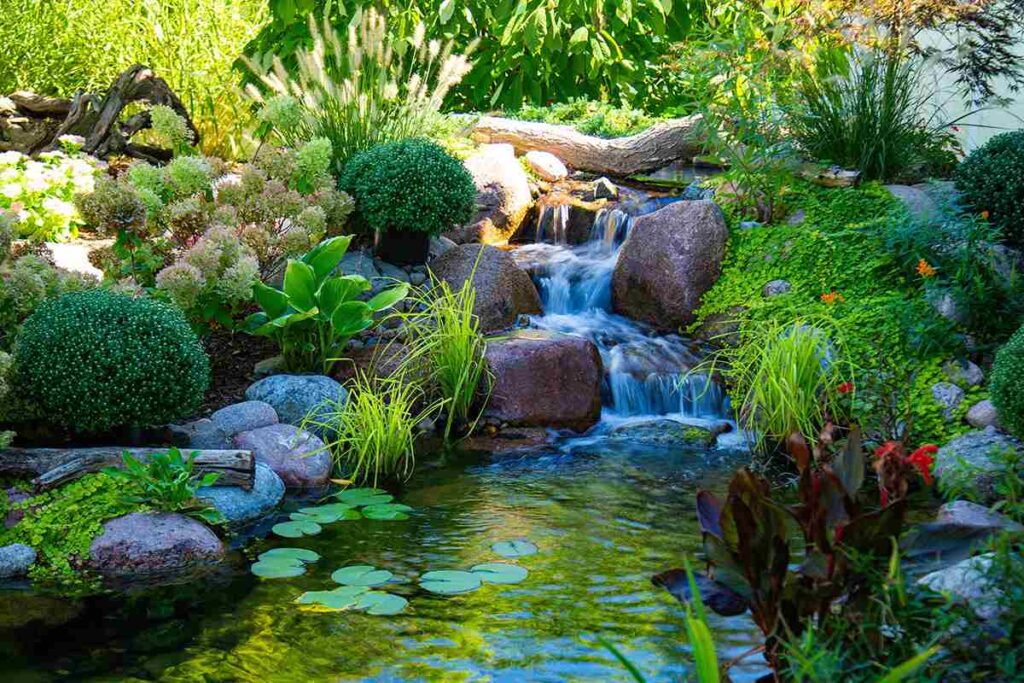
Natural ponds mimic nature with irregular shapes, rocks, aquatic plants and shallow edges that welcome wildlife. They blend seamlessly into a garden and are well suited to DIY construction using EPDM rubber liners or pre-fabricated plastic ponds. A natural pond with good aquatic planting can support a beautifully balanced ecosystem with minimal intervention. If you want something that blends into your garden and attracts native wildlife you are after a natural style pond.
One of our brands ‘Aquascape’ specialises in this style of water feature, so you will occasionally hear natural ponds referred to as ‘Aquascape style ponds’ in Australia.
Formal Ponds
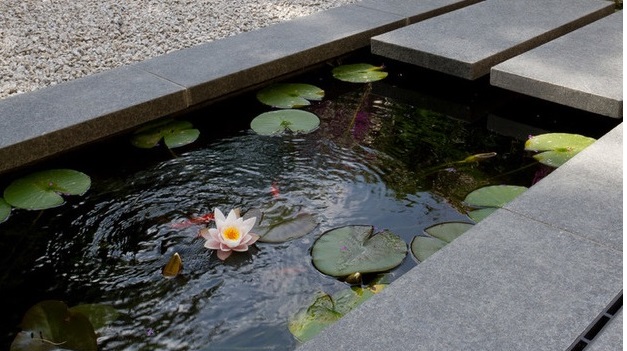
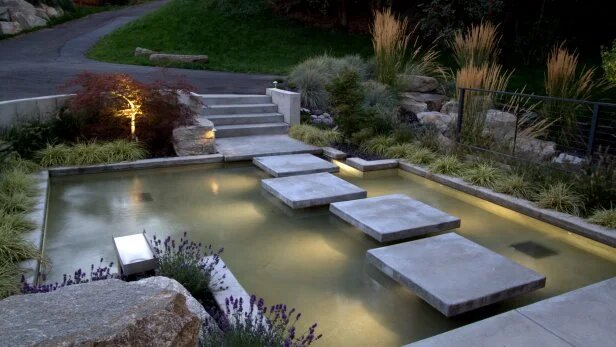
Formal ponds are geometric — square, circular or rectangular — and often serve as a visual centrepiece in a garden. They suit modern or structured outdoor spaces and frequently incorporate fountains or waterfalls. Formal ponds typically require more construction expertise and are often built from concrete or fibreglass. Pre-fabricated options are available, but professional guidance is recommended to avoid expensive mistakes down the track.
If you want a modern, clean aesthetic for your pond you are after a ‘formal style’.
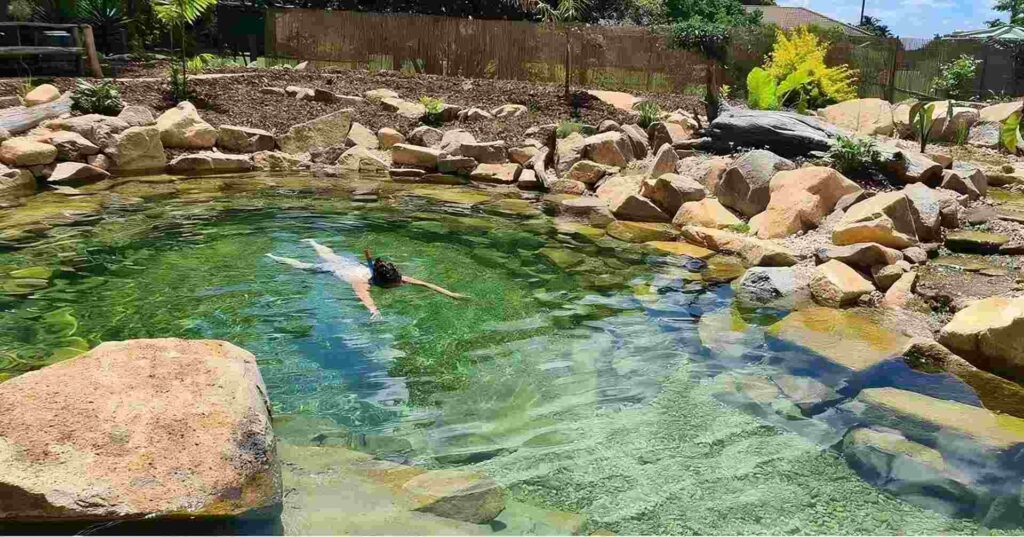
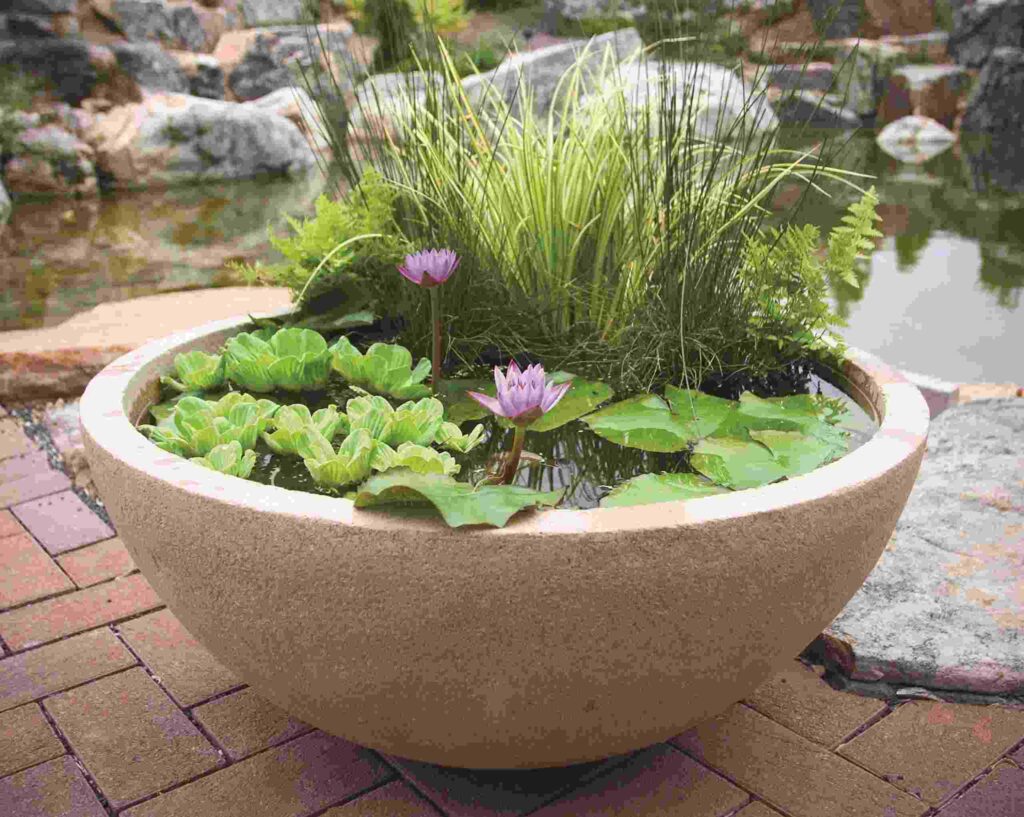
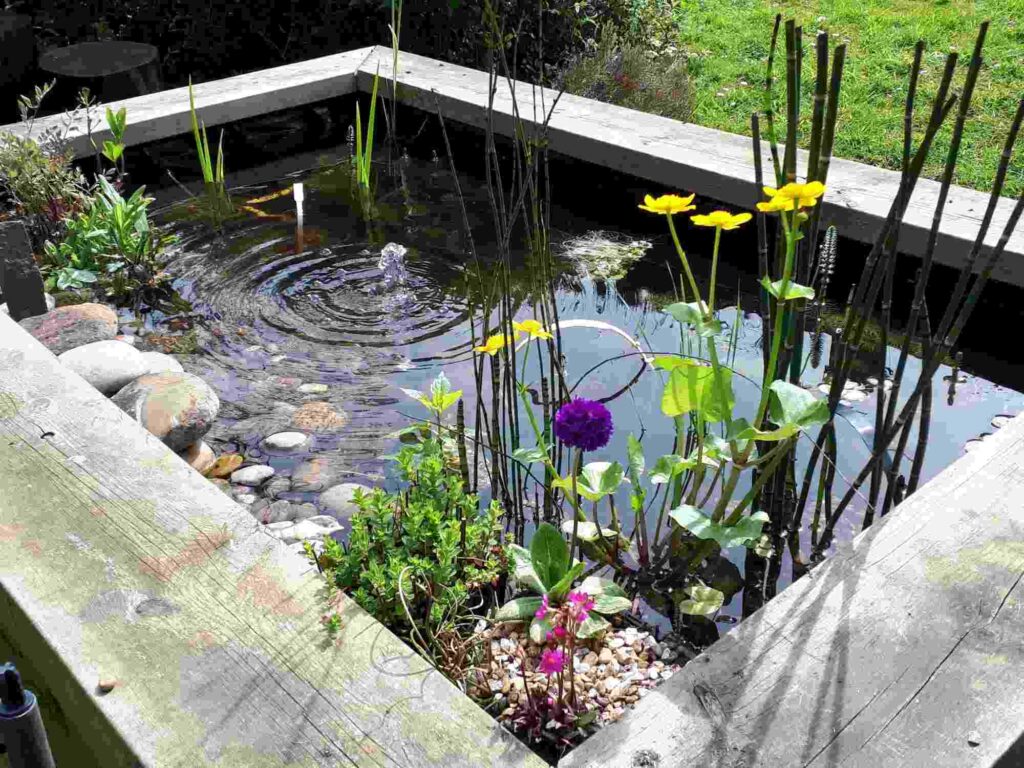
| Style | Pros | Cons | Best For |
| Natural Pond | Blends with the garden, wildlife-friendly, easier DIY | Takes up more space | Gardens with a wildlife or cottage feel |
| Formal Pond | Visually striking, clean lines | Requires more construction skill | Modern gardens, courtyard water features |
What Materials Do You Need to Build a Backyard Fish Pond?
The materials you choose will determine how long your pond lasts and how easy it is to maintain. Here are the most common options:
| EPDM Rubber Liner | The best all-round choice for most backyard ponds. EPDM liners are flexible, UV-resistant and can last for decades. They are also patchable, so small leaks won’t spell disaster. Ideal for natural and custom-shaped ponds. Avoid PVC liners — they break down quickly in the Australian sun. |
| Concrete or Fibreglass | Strong and long-lasting options suited to formal ponds. Concrete allows fully custom shapes; fibreglass comes pre-formed but can crack if handled roughly. Both are best left to professional installation for the best results. |
| Pre-Fabricated Plastic Ponds | A great option for DIY enthusiasts. Simply dig, level and drop the pond into place. Durable, lightweight and resistant to cracking — perfect for smaller backyard water features or first-time pond builders. |
You will also need to consider the following additional equipment:
- A pond pump to keep water circulating
- A pond filtration system appropriate for the size of your pond and the fish you plan to keep
- A UV filtration unit if your pond receives direct sunlight
- Rocks, pebbles and aquatic plants to complete the look and support the ecosystem
- A dechlorinator for when you fill or top up the pond
How to Build a Fish Pond — Step by Step
Building a backyard fish pond in Australia is more achievable than most people expect. Here’s a simple step-by-step guide:
| 1 | Plan and Mark Your Pond Choose a spot with partial sunlight and away from overhanging trees to reduce leaf debris. Sketch your shape and size on paper, then mark it out in your yard using stakes and rope. Think about where your pump and filtration will sit before you start digging. |
| 2 | Dig the Hole Excavate to your desired depth, including shelves for aquatic plants and a deeper central area for fish. As a guide, koi ponds should be at least 1 metre deep; goldfish ponds can be shallower. |
| 3 | Install Your Liner or Pre-Fabricated Pond For EPDM liners, lay a sand or underlay base first, then place the liner and shape it carefully to the contours of the pond. For pre-fabricated ponds, ensure the hole is level before dropping the unit into place. |
| 4 | Add Rocks, Soil and Plants Arrange rocks along the edges and on shelves. Add soil to plant shelves if you are including aquatic vegetation. This creates a natural look and helps stabilise the liner edges. |
| 5 | Fill with Water and Set Up Equipment Fill the pond slowly and check your pump and pond filtration system to ensure proper circulation. Good water movement keeps fish healthy, reduces algae and supports your biological filtration. |
| 6 | Let the Water Cycle Before Adding Fish Wait at least a week before introducing fish. This allows chlorine to dissipate, water parameters to stabilise and your biological filtration to begin establishing a beneficial bacteria colony. Use a dechlorinator to speed this process up safely. |
How to Stock Your Fish Pond in Australia
Once your pond is established, it’s time for the fun part. In Australia, popular pond fish include koi, goldfish and native species such as gudgeons and rainbowfish. A few key rules to follow:
- Don’t overstock. Too many fish overwhelm your pond filtration and lead to water quality problems fast.
- Choose species suited to your climate and pond size. Not all fish are created equal — some grow very large.
- Introduce fish gradually to avoid stressing them and to give your biological filtration time to adjust.
- Add aquatic plants. They provide shade, naturally reduce nutrients, and give fish places to shelter.
- Feed a quality food. Poor quality food breaks down quickly and pollutes your water. We only stock high quality pellets at The Fish Works.
| Fish Species | Minimum Pond Size | Notes |
| Koi | 1,000L+ | Can grow very large. Need depth, strong pond filtration and quality food. |
| Goldfish | 500L+ | Hardy, colourful and forgiving for beginners. |
| Native Rainbowfish | 300L+ | Well adapted to Australian conditions. Great for wildlife ponds. |
How to Maintain Your Fish Pond
Good maintenance keeps your water clear, your fish healthy and your pond looking its best year-round. Here’s a simple routine to follow:
| Weekly | Net out leaves, twigs and surface debris before they sink and decompose. |
| Monthly | Clean your pump and pond filtration system. Rinse biological media in pond water only — never tap water. |
| Every Few Weeks | Test water quality — pH, ammonia and nitrate levels. Use pond water treatments if needed. |
| Annually | Replace your UV globe. Even if it appears to still be glowing, UV output degrades significantly after 12 months. |
| As Needed | Vacuum sludge from the pond base using a pond vacuum. This prevents ammonia spikes and keeps the pond looking great. |
Tips for Designing the Perfect Outdoor Pond
- Go semi-shade if you can. A pond in partial shade will have far fewer algae problems and lower UV filtration demands.
- Mix materials. Combine rocks, pebbles and aquatic plants for a natural, layered look.
- Plan your circulation carefully. Make sure your pump is powerful enough to turn the entire pond volume over at least once per hour.
- Think about lighting. LED pond lights look stunning at night and highlight water features beautifully.
- Add features gradually. Waterfalls, fountains and bridges can always be added later — get the fundamentals right first.
- Choose durable materials. Cutting corners on liners, pumps or pond filtration equipment costs more in the long run.
- Less is more (food). Especially with hungry fish like koi, overfeeding is usually the biggest culprit for pond clarity and muck. Make sure you choose the correct food for your needs.
Planning a backyard fish pond and not sure where to start? We’ve been building and advising on fish ponds in Sydney for over 30 years.
Get in touch — we’d love to help you get it right from the beginning.
⚠️ Heads-up: The most common and costly mistake first-time pond builders make is undersizing their pump and pond filtration system. Get this right before you buy anything else — it will save you a lot of time, money and frustration down the track.

About author

Related posts
The water lily pond literally makes your garden alive. Those floating leaves and the outbursts of color on the flowers are so soothing. This water... Continue reading
White Cloud Mountain Minnow (Tanichthys albonubes) White Cloud Mountain Minnow *FROG FRIENDLY* NATIVE AUSTRALIAN FISH White cloud, white cloud mountain fish Minimum volume requirement: 50L... Continue reading
Pond Vacs: Why you need one for your pond Benefits of Vacuuming the pond One of the major benefits of using a fish pond vacuum... Continue reading
Privacy Policy The Fish Works is dedicated to keeping your details private. Any information, we collect in relation to you, is kept strictly secured. We... Continue reading
Pond Filtration How do pond filters work biologically? Biological filtration utilises good bacteria found naturally in every pond to convert toxic nutrients (Nitrites and Ammonia)... Continue reading
